Remittances from OFWs are worth more in local currency terms but also imported goods cost more.
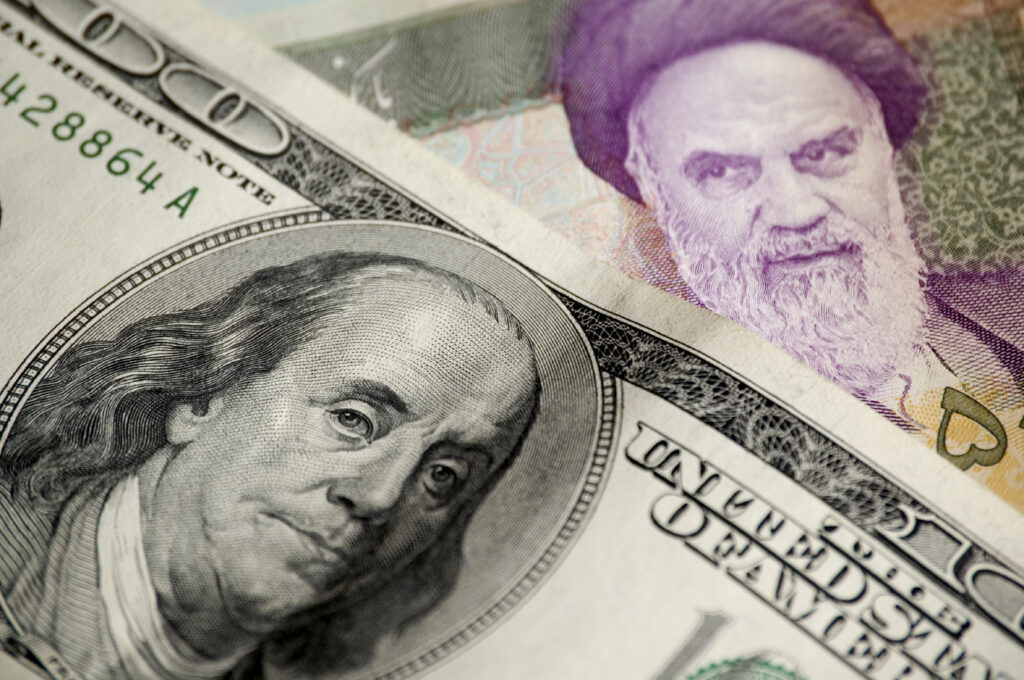
The Philippine peso slid to a fresh all‑time low last Tuesday (27 April), breaking through the 61‑per‑dollar level for the first time as a resurgent US currency and risk aversion toward emerging markets weighed on Asian FX. The move comes during a packed week of global central bank meetings, with investors bracing for the US Federal Reserve’s decision amid heightened uncertainty over the conflict in the Middle East.
The local currency weakened by 59 centavos to close at 61.30 against the dollar, according to Bankers Association of the Philippines data, surpassing its previous record low close of 60.748 set on March 31. It also finished at its weakest point of the day, slipping past the prior intraday low of 60.84 touched on March 30. Trading volume increased to 1.7 billion dollars from 1.4 billion dollars in the previous session, signalling stronger demand for the greenback as investors sought safety.
The latest leg down for the peso followed the Bank of Japan’s decision to leave interest rates unchanged on Tuesday, the first in a series of policy calls by major central banks this week. Markets are now focused on the Federal Reserve, which is widely expected to keep rates on hold but may deliver guidance that reinforces a “higher for longer” US rate stance. Uncertainty over the standoff between the United States and Iran, and its potential to further disrupt the Middle East, has added another layer of risk to the global backdrop.
According to a Manila‑based trader, a more hawkish tone from the Fed has been a key driver of recent dollar strength, putting short‑term pressure on Asian currencies such as the peso.
“This spike could be seen as near‑term pressure on the local currency,” the trader said, noting that the latest sell‑off is largely tracking broader moves in global FX rather than reflecting domestic stress alone.
The peso’s weakness carries mixed implications for the Philippine economy. On the one hand, remittances from overseas Filipino workers are worth more in local currency terms, providing additional support to household consumption. Exporters also gain a price advantage in foreign markets, potentially helping to offset softer external demand.
On the other hand, a softer peso raises the cost of imported goods, particularly fuel and key commodities, which can feed into higher inflation. It also increases the local‑currency burden of servicing foreign‑currency debt for both the government and corporate borrowers.
With inflation already running above target and global oil prices elevated, policymakers are watching carefully for any signs that currency depreciation is amplifying price pressures.
The latest bout of currency weakness comes despite the Bangko Sentral ng Pilipinas’ (BSP) decision last week to raise its benchmark policy rate by 25 basis points to 4.5 percent, its first increase in more than two years. Officials characterised the move as “pre‑emptive,” citing a deteriorating inflation outlook as the Middle East conflict keeps global energy markets on edge.
The central bank now projects inflation to average 6.3 percent this year and 4.3 percent in 2027, well above its 2–4 percent target range.
A local trader said the rate hike helped stabilise sentiment around the peso, but not enough to reverse the broader trend.
“The peso’s drop to new lows is mainly a strong‑dollar story,” the trader said. “US rates are high, money is moving out of emerging markets, and local demand for dollars from importers remains firm.”
At a recent media roundtable, Aris Dacanay, senior economist at HSBC Global Investment Research, suggested the BSP appears willing to tolerate some degree of peso weakness as long as it remains orderly and market‑driven, in part to support exports and avoid overly tight financial conditions.
“There’s no magic number because the policy is that the exchange rate should be driven by market forces,” Dacanay said. “As long as it is market‑driven and the volatility is well‑managed, that’s the right approach.”
For overseas investors, the peso’s slide underscores the push‑and‑pull between attractive Philippine growth fundamentals and near‑term global headwinds.
While a weaker currency and elevated inflation complicate the macro picture, they also create potentially more compelling entry points in local‑currency assets for those with a longer time horizon and a tolerance for volatility.