External shocks key factors for recent falls
Malacañang, the official residence and principal workplace of the president of the Philippines has attributed the peso’s slide to record lows primarily to global forces, pointing to an “unusually strong” US dollar and a spike in world oil prices rather than domestic economic weakness. Officials stressed that overlapping external shocks are driving demand for dollars higher and putting pressure on most emerging‑market currencies, including the Philippine peso.
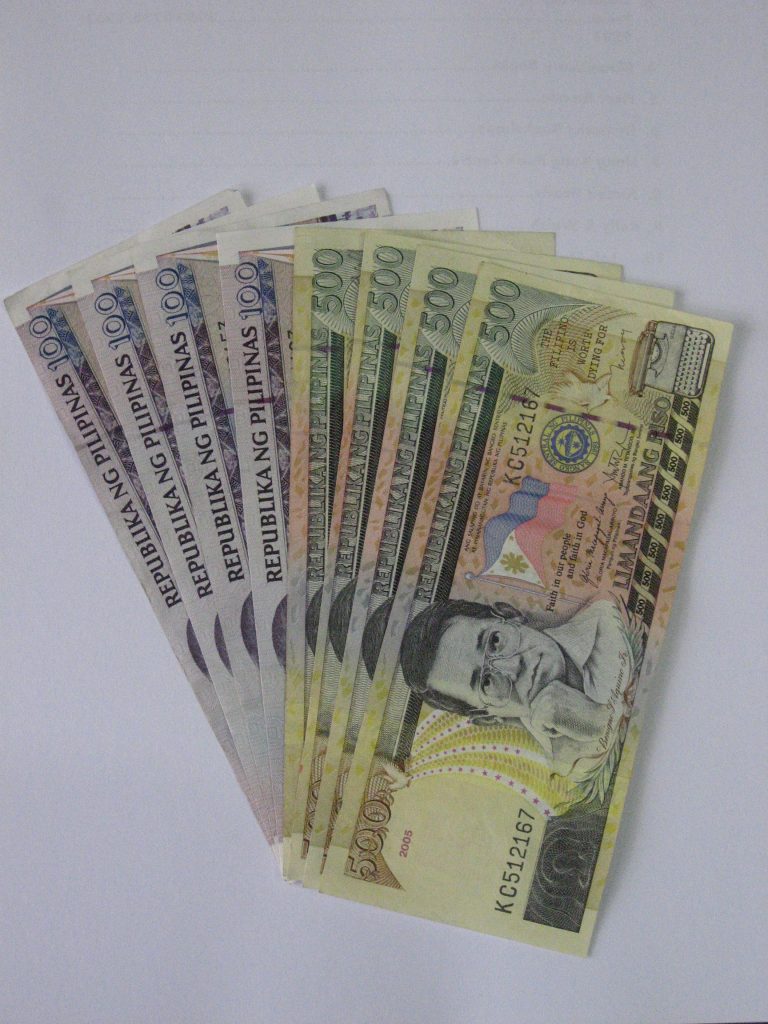
On 29 April, the peso extended its decline, closing at 61.567 to the US dollar, its weakest level on record at the time, according to Bankers Association of the Philippines data. A day later, the currency ended slightly firmer at 61.485, but traded as low as 61.75 intraday, marking a new all‑time low within the session.
Citing Economic Planning and Development Secretary Arsenio Balisacan, Palace Press Officer Undersecretary Claire Castro said:
One of the main drivers of the peso’s depreciation is the exceptional strength of the US currency. “The unusually strong US dollar is pulling capital toward US assets and away from emerging markets like the Philippines,” she noted. “This makes the peso weaker simply because the dollar is rising faster.”
Castro added that the surge in global oil prices is compounding the pressure, given the Philippines’ heavy reliance on imported fuel. Higher crude prices, she explained, push up the country’s demand for dollars to pay for energy imports, widen trade and current‑account deficits, and ultimately weigh on the exchange rate. “In short, the peso depreciation reflects the rise of the demand for dollars faster than the supply of dollars,” she said.
Despite the recent volatility, the Palace underscored that the Bangko Sentral ng Pilipinas (BSP) remains the key institution responsible for managing the currency and ensuring orderly market conditions. Quoting Balisacan once more, Castro said the central bank “has the institutional mandate to stabilize the peso and prevent excessive volatility,” and emphasized that its “ammunition is sufficient” to curb disorderly moves in the foreign exchange market if needed.